What Is a Facility Inspection?
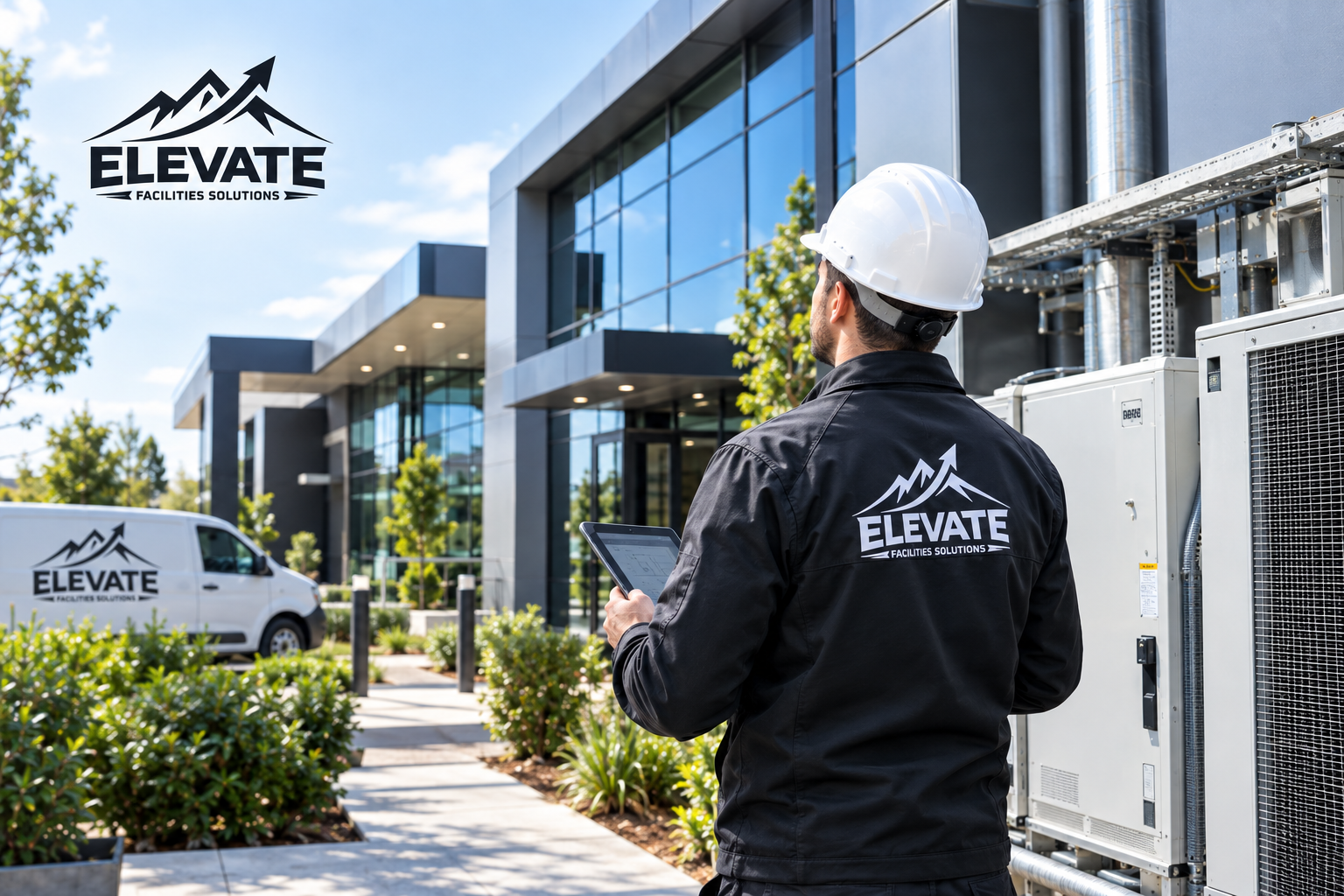
A facility inspection involves systematically checking a commercial property, its building systems and essential infrastructure to identify maintenance requirements or potential issues.
Depending on the property, an inspection may cover building structures, electrical systems, plumbing, HVAC equipment, roofing, external areas, fixtures and other important components.
The purpose is to understand the condition of the facility and identify areas that may require maintenance, repair or further assessment.
Why Are Regular Facility Inspections Important?
Commercial properties contain many different systems and components that need to work together every day. Small maintenance issues can sometimes develop into larger problems when they are not identified and addressed.
Regular inspections provide a structured way to monitor the condition of a property and help businesses plan maintenance requirements.
1. Identify Issues Early
Regular inspections can help identify visible signs of damage, deterioration, wear or unusual system performance before they become more significant issues.
Identifying potential problems early gives property owners and facility managers an opportunity to organise appropriate maintenance.
2. Protect Building Assets
Commercial properties contain valuable building systems, equipment and infrastructure.
Regular inspections can help monitor the condition of these assets and identify maintenance requirements that may affect their ongoing performance.
3. Reduce Unexpected Disruptions
Unexpected building problems can interrupt normal business operations and require urgent attention.
Regular inspections can help identify potential maintenance issues earlier, allowing businesses to plan appropriate work and reduce unnecessary disruption.
4. Support a Safer Environment
Regular inspections can help identify potential hazards or maintenance concerns within a commercial property.
Depending on the building, this may include issues involving electrical systems, plumbing, building structures, equipment and other areas requiring attention.
5. Improve Maintenance Planning
Inspection findings can provide useful information when planning future maintenance work.
Instead of relying entirely on unexpected repairs, property owners and facility managers can use inspection results to organise maintenance according to the condition and requirements of the building.
Signs Your Facility May Need Attention
Certain signs may indicate that a commercial property requires maintenance or further inspection. These can include:
Identifying these signs early can help businesses organise appropriate maintenance and reduce the risk of more significant issues developing.
Facility Inspections and Preventative Maintenance
Facility inspections and preventative maintenance work together as part of a proactive approach to property management.
Inspections help identify the condition of building systems and potential maintenance requirements, while preventative maintenance focuses on planned servicing and maintenance before failures occur.
Combining regular inspections with a structured preventative maintenance approach can help businesses better understand their properties and organise maintenance requirements.
How Often Should a Facility Be Inspected?
There is no single inspection schedule that applies to every commercial property. The appropriate frequency will depend on the building, its systems, equipment, usage and operating environment.
When developing an inspection schedule, property owners and facility managers can consider:
Regularly reviewing inspection results can also help businesses adjust their maintenance approach as building requirements change.
Conclusion
Regular facility inspections can play an important role in maintaining reliable commercial properties. By monitoring building systems and identifying potential issues early, businesses can better understand their maintenance requirements and organise appropriate work.
A proactive inspection and maintenance approach can help protect building assets, support safer operations and reduce unnecessary disruption.
Regular inspections, combined with planned preventative maintenance, can provide a structured way to manage the ongoing requirements of a commercial facility.